Reel life isn’t as simple as it looks. As consumers flip through every drama, laugh, cut, zoom & transition, the creators behind the screen are doomed to make each scroll worth the double-tap ❤️
That’s the pressure of being a creator in today’s industry. It’s constant, layered, and self-sabotaging.
What’s worse? The algorithm doesn’t wait. So most creators don’t really stop.
They either go off-the-grid or push through half-decent ideas, making the content feel inconsistent and stretched. Everything starts to look like an attempt just to stay relevant.
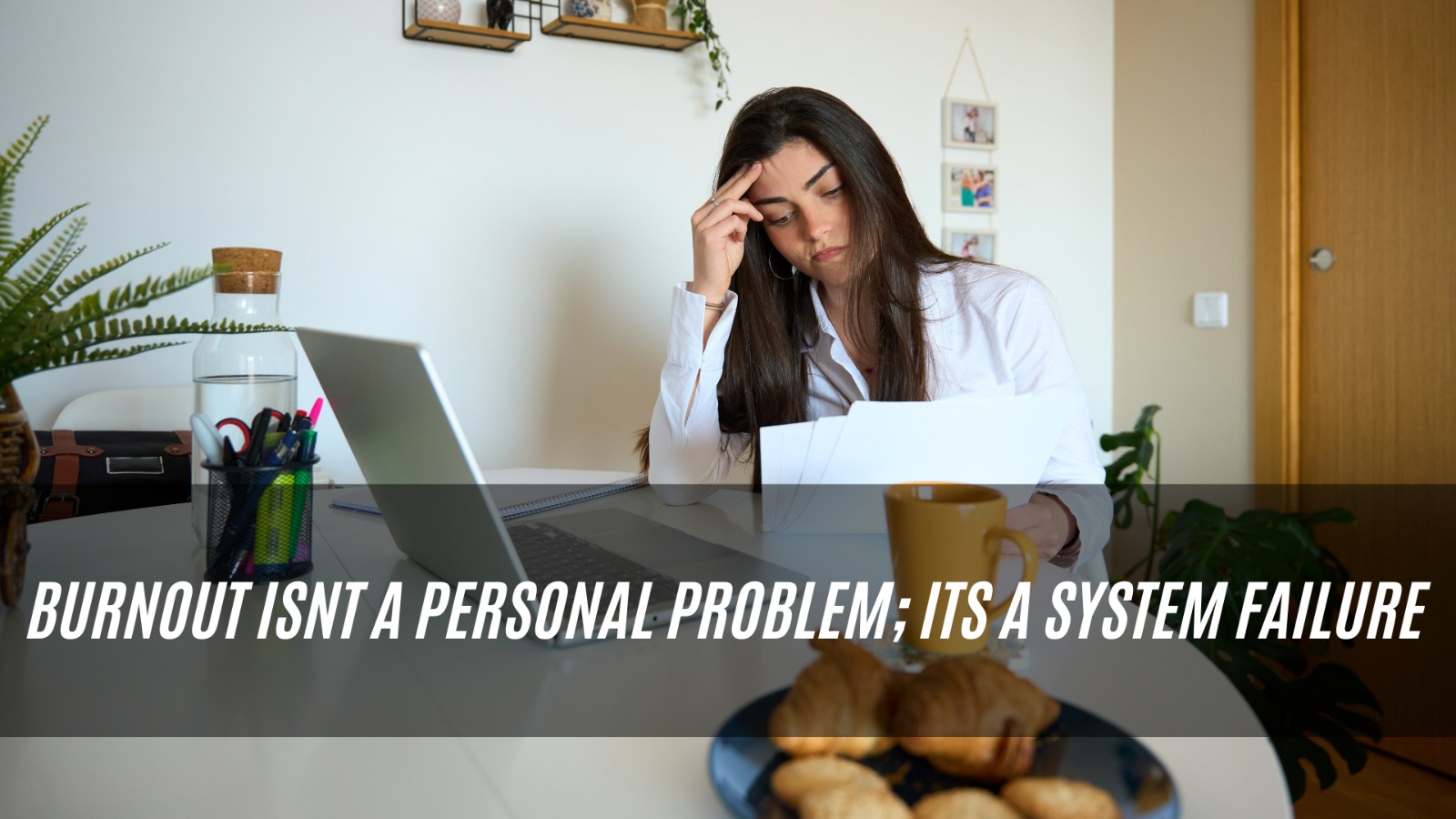
Reality check: Burnout isn’t a personal problem. It’s a system failure.
The problem in the industry is burnout isn’t treated; it’s celebrated. “No days off” is still a flex, and “I haven’t slept” sounds like commitment. Posting through illness, pushing content on bad days, and staying visible no matter what looks like dedication. Because right now, the system rewards one thing: keep going, keep posting, and keep showing up.
Until you can’t.
What happens when you can’t?
Reach drops, engagement takes a hit, and opportunities slow down. And suddenly, the same pace that once got rewarded starts working against you. There’s no buffer, no space to recover without consequence. You either keep up or you fall out.
Creatively exhausted creators don’t suffer personally; their audience gets affected too. For viewers, things start to feel repetitive, louder, and more extreme. The trust in the creator eventually dip. Recommendations feel forced, opinions feel rushed, and over time, poof… the connection is gone. Because when that person is stretched too thin, the experience changes.
From a distance, it’s easy to miss. Because burnout doesn’t always look like a breakdown. Sometimes it just looks like someone posting less, trying harder, getting quieter over time.
And the ripple effect doesn’t stop at the creator-viewer junction. Burnout shows up in the brand work as well. The ideas weaken, content starts slipping, and campaigns lose impact. And over time, inconsistency doesn’t just affect performance; it starts eroding brand equity.
If the creators are showing cracks, even the best of brand campaigns won’t hold for long. Sure, it may still go out or even perform for a while, but it would lack the creator’s mojo that provided depth and consistency in the long haul.
So no, burnout isn’t just a creator problem. It’s a performance risk for brands baked into the system itself.
That calls for an intervention, for the entire industry.
What Can Brands Do?
They need to take a step back and look at it through a broader lens. In other words, human sustainability is the key. That means building systems that don’t rely on someone constantly pushing past their limit.
Consistency isn’t sustainable: The pressure to always be “on” often comes from timelines, deliverables, and unrealistic content expectations.
Build room for pause: Not everything needs to be urgent. Not every campaign needs volume over thought.
Respect creative bandwidth: Fewer, better pieces will always surpass forced consistency.
Normalise flexibility: Deadlines can move, and output can be adapted. The work doesn’t have to come at the cost of the person making it.
How IIGC acts as a supporting pillar.
Mental health is never a “hush-hush” conversation here, rather it’s built into how creators are sustained within the ecosystem.
Under IIGC Protect, creators can ask for mental health support to cope with the emotional and continuous demands of the profession.
Interactive masterclass sessions by healthcare experts
Have access to wellness programs by UWC
Live online meetups with mental health professionals
After thought: Fixing burnout isn’t just about helping creators “cope better” with a broken system. It’s about rebuilding the system so performance, creativity, and well-being can coexist.
Because the creator economy doesn’t need more content. It needs guardians for safekeeping: like you, your brand, and us!

